
Apr 6, 2026 · 5 min read· Summarize in ChatGPT
| In This Article: This article reviews the state of fast furniture in commercial real estate, including what it is, why it’s losing popularity, and how commercial millwork contractors can provide more durable alternatives. |
“Fast furniture” has become familiar to most investors, property owners, and interior designers. It refers to cheaply produced furniture, often imported in bulk from foreign countries, that can be made and sold quickly. For decades, fast furniture has provided bookcases, tables, chairs, and more for thousands of commercial spaces, but modern commercial real estate has a new set of priorities.
Sustainable office design in 2026 and beyond will rely on interior millwork that successfully balances value, beauty, and personalization, without the need for fast furniture solutions.
What Is Fast Furniture and Why Was It Successful?
Fast furniture combines several features into a low-cost, high-speed solution to the commercial furniture challenges of the 70s. Yet, even as late as the 2010s, commercial installations bought fast furniture pieces by the millions to take advantage of these features, including:
- Minimalistic designs
- Flat-packed surfaces
- Multi-part assembly
- Plastic coatings
- Particle board construction
- Foreign manufacturing
The iconic example of fast furniture may be the Billy bookcases from Ikea, which were sold by the millions to offices around America and manufactured just as quickly. The pandemic only added to their prevalence, as fast furniture was readily available to buy online, sold at steep discounts, and shipped quickly to offices and homes.
Despite its financial successes, fast furniture, as many business owners and investors have realized, has significant trade-offs, some of which have become far more important to consumers over the last few years. The core issues with it, and the reasons why it has been declining in popularity, are its low sustainability and low durability compared to masterfully built custom furniture.
Low Sustainability Clashes With Modern Customers
To be made quickly and cheaply, fast furniture relies on manufacturing methods that have negative environmental impacts at both the front and back ends of production, including construction and disposal.
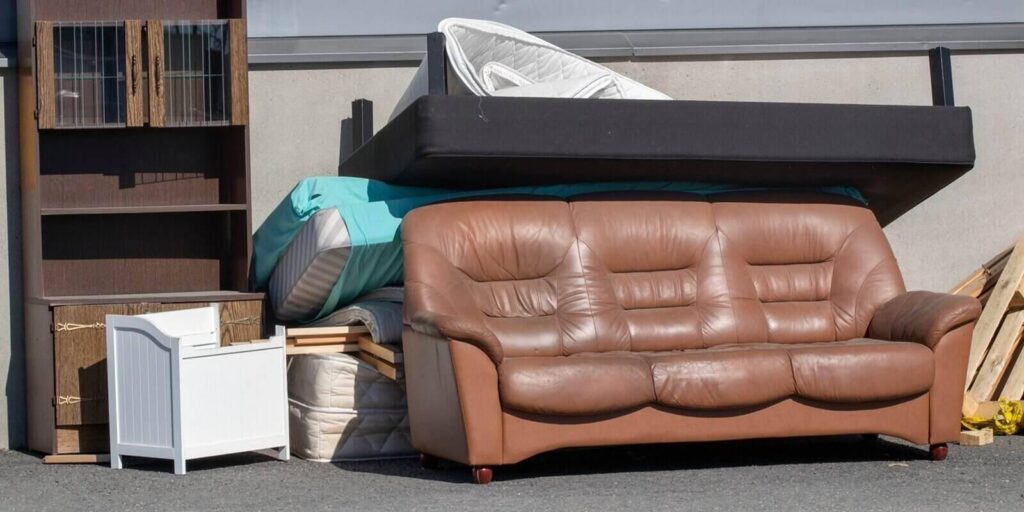
Instead of hardwood, fast furniture often uses particleboard, which is made by bonding wood chips with synthetic resins or other binders. This results in a manufacturing process with high energy requirements, high dust production, and high chemical usage, leading to air quality concerns. Even after being sold, the laminate on the boards can easily peel off, or the wood can swell or rot when exposed to moisture. This makes fast furniture difficult to recycle safely, leading to overfilled landfills.
According to consumer surveys, modern customers are willing to pay 9.7% more for products that clearly support sustainable practices. Investors have followed suit, prioritizing products that consumers are willing to pay more for and that enhance organizations’ public image.
Poor Durability Leads to Low Lastability
According to the most recent data collected by the EPA, the U.S. landfilled 9.68 million tons of furniture in 2018, compared to just 40,000 tons recycled. This represents an unsustainable industry practice that modern consumers no longer support. Furniture manufactured for speed and cheapness doesn’t last long, which contributes to environmental issues, but that’s not the full scope of the problem.
Commercial furniture with low durability needs to be replaced more regularly, leading to long-term business expenses that reduce any initial savings. Additionally, businesses may fail to notice chips, dents, or cracks in their furniture before customers or employees see them, potentially damaging the impression of their high-end commercial interior.
How Custom Commercial Millwork Makes a Difference
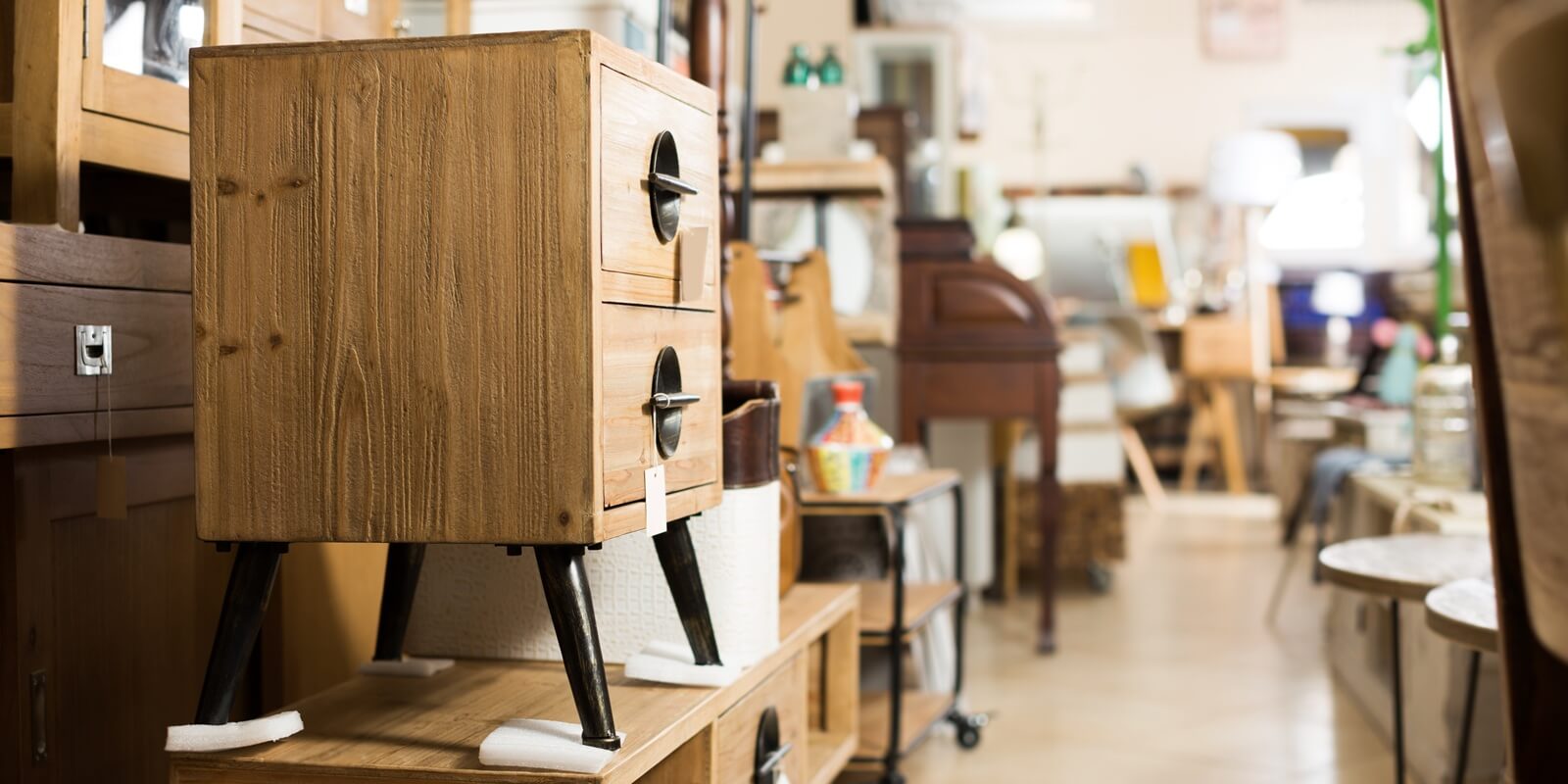
Custom millwork artisans can address sustainability and durability challenges for modern commercial business owners by customizing high-quality furniture to their needs. One of the main problems with fast furniture is its generalization; busy reception areas get the same furniture treatment as small lobbies. With custom millwork artisans at the helm, furniture can be matched tactfully to the industry, activity level, aesthetic, architecture, and more.
For example, high-end commercial interior designers may want to convey a minimalist or luxurious aesthetic. They may need high-durability materials to handle heavy traffic or luxury materials to impress high-end customers. Commercial woodworking services that offer a choice of high-quality, sustainable woods, joinery, finishes, fabrics, and more give designers the freedom to match the furniture to the business’s purpose and avoid the compromises of fast furniture designs.

Connect With Commercial Millwork Contractors
At Sixth Avenue Custom, our commercial millwork contractors recognize the challenges of investing in high-quality office furniture. Fast furniture provides a cheap, predictable stopgap, but many business owners and investors have found it is not a long-term solution. Issues with furniture durability and material sustainability have led to the “death” of fast furniture’s appeal in many high-end commercial interior trends, including the modern customer’s desire for high-value, environmentally friendly corporate alternatives.
Contact our team to learn how our commercial woodworking services can provide your clients with durable, locally manufactured millwork that will impress their customers and improve their bottom lines, without the pitfalls of fast furniture.
