
Apr 30, 2026 · 5 min read· Summarize in ChatGPT
What You Will Learn: This guide walks through the psychology of soft edges in retail spaces, including:

- How modern branded retail environments have changed
- The psychology behind store layouts
- How store planners use custom retail millwork to adapt
Custom retail design wants to “return to the curve,” to paraphrase Chattels Design. Minimalistic, boxy designs defined retail spaces in the 2010s. They were utilitarian and gave retail spaces a clean, modern look. However, for various reasons, that look has become stale, and retail design psychology now points to a different approach, involving warm palettes, natural materials, and softer, curved edges.
With the help of custom millwork artisans, modern retail brands can turn design psychology into a retail engagement strategy.
How Has the Retail Design Space Changed?
The last decade of retail design has been a rollercoaster following pandemic-era changes in shopping habits. In the 2010s, retail spaces had adapted to the then-modern trends, including:
- Open floor plans
- Minimal branding
- Harsh, straight lines
- Cold, neutral colors
The concept of the “Instagrammable” brand had taken off and settled as though it were here forever. The goal of most retail designs had become a feeling of inflexible luxury that purposely placed consumers in a passive role. Retail environments were designed to be viewed, photographed, and turned into influence.
The pandemic changed all that.
During the pandemic, store attendance plummeted. Retail store designs responded by reorienting their mood around safety, cleanliness, and flexibility. Instead of aloof Instagram setpieces, retail store designs became convenient, multi-purpose, contactless pickup locations focused on satisfying remote and hybrid shopping systems.
Though the pandemic is over, many design changes have lingered in the expectations of customers and the strategies of store planners. They both seek more personalized, bespoke experiences, driven by consumer habits and beliefs. Self-checkout systems, sustainable practices, and experiential designs have taken over retail as the new benchmark for customer connections.
Essential Takeaway
The pandemic created a monumental shift in retail space design. Stores went from being cold and minimalistic to warm and multi-functional, a complete change in how they view their customers and themselves.
The Psychology Behind Curved Edges in Stores
Multiple scientific studies have shown that customers prefer soft edges and curved shapes in many of their retail decisions, including the stores they prefer to visit and the products they prefer to buy. The theory was famously posed in 2006 by the researchers Bar and Neta, who described the relationship in their study titled “Humans prefer curved visual objects.”
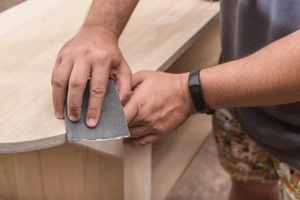
According to their findings, humans make split-second judgments about unfamiliar objects based on associations with their physical properties. Sharp transitions, they proposed, would “convey a sense of threat, and therefore trigger a negative bias.” Oppositely, soft, curved edges silently communicate feelings of warmth and safety.
In retail, this means that the transition to softer edges is, in a broader sense, a transition to prioritizing the feeling of customer safety. Instead of aesthetic-first environments, new retail spaces are built around experiences, driven by convenience, multifunctionality, and accessibility. Curved edges may provide a “psychology of safety” that helps customers feel even more welcome.
How Custom Retail Millwork Helps Stores Adapt
In response to this change in retail design psychology, customer experience design has taken a softer turn. Custom retail millwork can provide effective ways to create the desired impact without going too far into kitsch territory.
Design Example #1
Functionally, softened furniture provides a safer environment for children and reduces the risk of injury to a distracted customer. Tables, reception desks, counters, and other fixtures can be given soft edges to make the space more inviting. Radius casework and curved walls can be built into the space itself to guide customers naturally in and out of essential areas.
Pro Tip: Soft edges produce an added effect of guiding customer movement through busy showrooms or lobbies. Especially for businesses with cramped, easily overwhelmed floor plans, soft edges can help guide customers in and out.
Design Example #2
Decor with a softer edge can create a more inviting space, which can make a difference in several focal points of a retail business’s intended customer experience. For example, if the psychology of sharp vs. rounded shapes holds true, consider a typical retail fixture, such as a fitting room mirror. Even a small nudge toward a sense of safety can meaningfully influence customer conversion rates.
Design Example #3
Curved designs are not new to retail; they defined 1970s retail store designs with curved, soft edges everywhere. As a result, overusing soft edges on every possible surface can turn a modern retail environment into an accidental throwback.
Pro Tip: Custom millwork artisans guide designs to promote better feelings of harmony and immersion. Customers are naturally drawn to curved designs, which can help millwork artisans define the value and function of spaces in terms of customer flow and experience.
Local Millwork Artisans Help Redefine Customer Experience Design
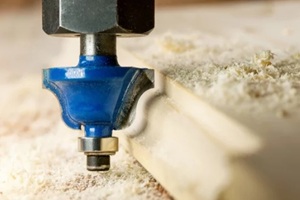
At Sixth Avenue Custom, our artisans work with retail store planners to create custom retail millwork that aligns with important trends, meets customer expectations, and facilitates the owner’s ideal customer experience.
Soft, curved edges on built-in banquette seating, radius casework, walls, reception desks, and more can naturally guide customers through retail spaces and provide a more memorable, inviting experience.
Contact our team today to learn how soft edges can boost engagement and loyalty in a modern retail setting.
