
Nov 2, 2026 · 6 min read· Summarize in ChatGPT
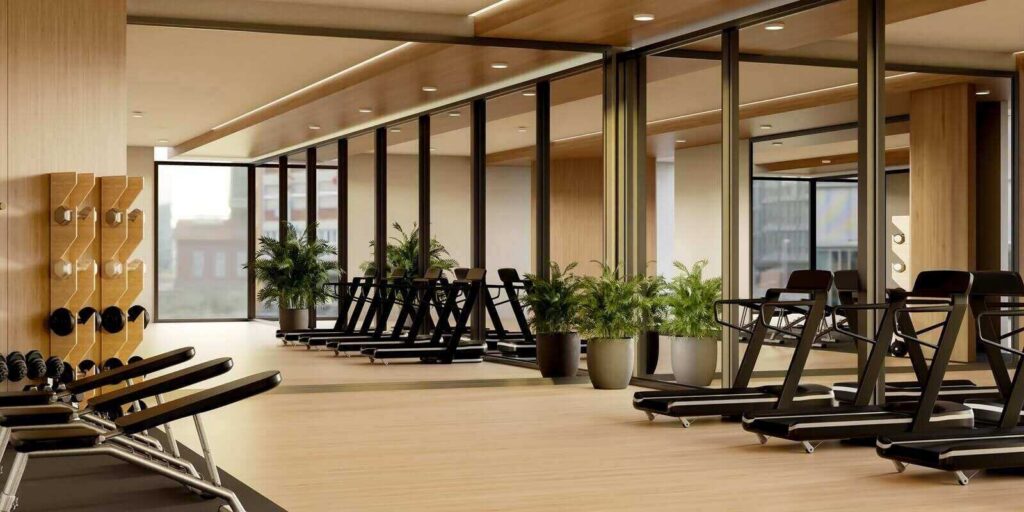
Boutique studios are charging more than ever. This year, boutique class prices hit $21.32, a 6% jump from last year, with unlimited memberships running $110 to $360 a month. A regular gym membership, by comparison, runs about $65 to $69, according to Health & Fitness Association numbers.
Custom millwork helps close that gap, starting with the handshake at the front desk and ending with storage tucked behind a locker room wall.
Premium Pricing Only Works When the Space Backs It Up
By the time a member pays $30 for a single class, the workout has already earned its keep. The room still has to convince them the price was fair. A studio with plywood shelving and fluorescent lighting undercuts its own pricing before class even starts. The finishes may contribute something that the marketing budget cannot.
Commercial millwork for a boutique studio is not the same job as a typical retail build-out. These finishes sit inches from a member’s skin, sweat, and gym bag for an hour at a time, and they have to survive it. A general contractor sourcing custom commercial millwork needs a fabricator who accounts for that proximity in the material selection. Our commercial millwork services are built around that.
The Check-In Desk Sets the Tone Before Class Starts
Most members hit the check-in desk before anything else. If the laminate there starts chipping, members may notice. Add storage for retail products underneath the counter, and the desk doubles as a retail fixture built for the quick restocking boutique studios need between back-to-back classes.
Locker Room Millwork Built for Daily Wear
Locker room finishes absorb more punishment than any other surface in the building. Retail cabinetry rarely has to survive what a locker room does.. Depending on the material, standing water will not warp it, and a daily chemical scrub will not dull it, even under lighting built to expose every flaw.
Moisture resistance knocks most traditional wood veneers out of contention anywhere near a shower. Humidity and splash exposure may peel a standard laminate edge right off. In these zones, our artisans use moisture-rated substrates and sealed edge banding so the cabinetry stays straight and tight instead of swelling with time.
Chemical exposure builds up fast in a locker room, since daily disinfecting wipes touch every surface a member touches. Finishes chosen without that cleaning routine in mind may discolor within months. A finish tested for repeated chemical contact is more likely to keep its color instead.
Appearance under lighting gets unforgiving fast in a locker room. Most studios light these spaces brightly and evenly for grooming and safety, nothing like the moodier ambient lighting on the class floor. Specific lighting may complement warm-toned satin or matte finishes. Consequently, some studios look to member mirror selfies as a source of organic marketing.
Built-In Storage Versus Freestanding Fixtures

Big-box gyms may be able to afford more square footage while boutique studios may not. Freestanding shelving and lockers can be cheaper to fabricate, but they tend to look temporary and can chew through floor space. Recessed cabinetry works better for smaller spaces, and is best for class floors or a retail display near the entrance.
That trade-off can shift for a studio that plans to relocate early or is leasing raw space with limited tenant improvement dollars. Freestanding fixtures are removable, while built-in millwork typically stays behind. A 10-year lease with strong tenant improvement support may favor built-in storage more than a short-term sublease does.
Retail Displays That Support the Brand, Not Just the Shelf
Retail displays do more selling work than a rack of branded water bottles suggests. A fitness studio retail display built into the check-in area, with adjustable shelving and integrated lighting, reads as part of the studio’s design rather than an afterthought, and lets a studio rotate seasonal inventory without rebuilding the fixture.
Millwork Design Across Studio Formats
Design demands for cycling spaces can center on bike storage and efficient locker room turnover. Mind-body studios, such as those for yoga or Pilates, tend to prioritize prop storage alongside more peaceful material choices. Gym interior design projects built around strength training or high-intensity interval training (HIIT) need equipment staging and flooring transitions that a barre studio never needs.
Across formats, the millwork has to disappear into the brand rather than compete with it. A studio’s color palette, lighting plan, and class format inform the wood tone, hardware finish, and layout our artisans build around. Our gallery of finished studio installations shows how that plays out.
Standardizing Millwork Across Multiple Locations
Multi-unit boutique franchise developers run into a version of the same problem, just bigger. Getting the millwork right at the flagship location should be repeatable at the second, third, or even the tenth build.
Studio owners across the DMV, and increasingly in Philadelphia, New York, and Palm Beach, are looking for a custom millwork partner near their next build. A standardized package may improve brand consistency and the construction budget. Our team works directly with developers from the first location’s concept drawings through the fabrication specifications for later locations’ reuse, drawing on past multi-location fabrication projects for reference.
Common Questions About Fitness Studio Millwork
What Makes a Boutique Fitness Studio Feel Premium?
A boutique environment can feel more premium when its physical finishes align with its pricing. Tactile upgrades might include a solid-surface check-in desk or heavy-duty locker room cabinetry.
How Much Should a Fitness Studio Spend on Build-Out Finishes?
Finish budgets vary by market, lease terms, and modality. Our team of artisans builds a millwork scope against a studio’s actual pricing model and lease terms rather than a flat industry benchmark, since a $21 drop-in class and a $360 monthly membership might benefit from different finish investments in the same square footage.
What Materials Hold Up in a Gym Locker Room?
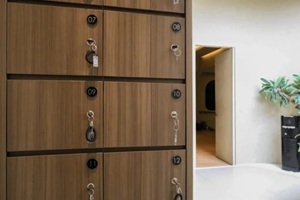
Certain materials can withstand these demanding wet environments. Options frequently include moisture-rated substrates, sealed edge banding, and chemical-resistant finishes. Certain materials might not withstand these heavy commercial demands. For example, selecting residential-grade laminate or untreated wood veneer can introduce maintenance issues. Frequent cleaning routines and high humidity may shorten their service life.
Should Studio Storage Be Built-In or Freestanding?
A studio locked into a long-term lease gets more value from built-in storage, since it reclaims square footage for class space or retail display. A studio that expects to move soon may be better off with freestanding fixtures. The storage travels with the business instead of staying behind for the next tenant.
Start a Millwork Conversation With Sixth Avenue Custom
We aim to give studio owners clear answers on materials and finishes before the build-out begins. Our artisans take projects from sketch to installation for studio owners, designers, and contractors across the DMV. Contact Sixth Avenue Custom to start the conversation about a check-in desk, a locker room, or a storage build-out.
