

Feb 26, 2026 · 5 min read· Summarize in ChatGPT
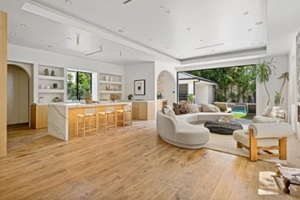 Millwork forms a foundation for creative, exquisite design. When adopted early in the design process, it can become an integral part of its functionality. Many designers think of commercial or residential millwork as a decorative finish or an added detail. However, millwork in construction designed early in the process can bring the designer’s vision to life.
Covered in This Article: This article goes into detail about how custom millwork can inform construction, why some designers overlook its potential, and how modern designs reframe millwork as a structural, functional, and aesthetic cornerstone in both personal and professional environments.
What is Custom Millwork?
By definition, custom millwork involves any wood pieces produced on a mill. This definition is limited and may prevent some designers from recognizing its potential. Millwork includes stylistic design elements such as doors, window casings, molding, trim, and cabinetry. However, these pieces are usually saved for last in the design process. This may not impact the overall functionality of the finished space.
In various structures, including stairs, pillars, counters, paneling, casework, seating. Cabinetry, new standards and techniques have brought custom millwork forward into the design and construction phase of professional spaces. One of the causes of this shift in recognition for custom millwork’s value in construction is the range of studies confirming how shape, structure, and location play a strong role in retail management. Researchers have shown that professional uses of architectural fixtures. This often called “services cape designs,” significantly change customer mood and buying behavior.
Read More: This recent study in Sage Journals provides more detail on servicescape design and its impact on the modern retail experience.
What is the Role of Custom Millwork in Construction?
Adapting custom millwork to the construction phase of commercial spaces suggests a strong relationship among structure, branding, and behavior. The architects and managers of commercial projects use this relationship to design more meaningful spaces for their clients, using custom millwork to guide target visitors to intended behavior as early as the design and construction phases of the building.
This accomplishes several important goals. By establishing core functionality early in the design, architects can avoid the costs of late-stage redesigns, which often delay project completion and increase the overall budget. Coordinating the visions of the designers, owners, and builders can be difficult without a clear focus, which custom millwork artisans can provide by informing the finished functionality in each detail and built-in fixture of the design.
Rather than being purely decorative, this application of custom millwork streamlines design around a clear guiding vision, elevating the aesthetic, and adapting the interior details to the intended function.
Examples of Custom Millwork Elevating Commercial Design
 These examples demonstrate the overlooked potential of custom millwork to elevate commercial design, prevent late-stage project delays, and coordinate multiple visions into a single commercial space.
Example #1: Planning Seating Designs in the Construction Phase
Cozy restaurant booths can double as storage opportunities with the proper attention to millwork. Built-in bench seating can turn retail lobbies into more accessible areas where customers can relax and feel comfortable. Hidden storage allows staff to keep amenities at hand without cluttering the visible customer experience, creating a more seamless customer service workflow.
Example #2: Custom-Building the Reception Area
Reception areas serve as integral customer touchpoints and can be incorporated into the space’s design through built-in custom millwork. A custom reception desk, counter, or other lobby feature can enhance the flow of the customer experience by allowing visitors to engage with a distinct, branded structure.
Example #3: Overlooked Aspects of Spatial Sound Design
The sound design of commercial spaces is an often-overlooked aspect of custom millwork. Wood walls, paneling, baseboards, seating dividers, and more can be used to control sound flow, creating spaces that feel bigger or more intimate depending on the designer’s intentions.
Example #4: Cabinetry and Displays Add Precise Functions to Built-in Design
Custom cabinetry can be planned and executed during the design phase to add more precise functionality to a commercial space. For example, custom shelving displays can be added to retail spaces, or built-in cabinets can be planned for medical or law offices.
Essential Takeaway
The possibilities for custom millwork to add value and functionality to a space are limited only by the designer. Architect’s vision and the team’s ability to bring it to life.
Connect With Custom Millwork Artisans to Create Seamless Spaces
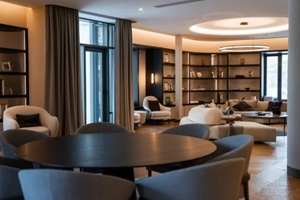 At Sixth Avenue Custom, our millwork artisans can turn generic plans into seamless. Beautiful spaces using the overlooked benefits of custom millwork in construction. As early as the design phase, our team can create commercial and residential spaces that go beyond decorative. We value strong communication with our clients. Whether they are designers, owners, architects, project managers, or contractors. To help them bring their visions to life with long-term design solutions based on our decades of millwork experience.
Contact our team to learn how custom millwork can help your construction process. The earlier you contact our team, the more our artisans can do to make your project run more smoothly, look better. Deliver long-term value to the client or business that commissioned it.
