
Nov 3, 2025 · 5 min read· Summarize in ChatGPT
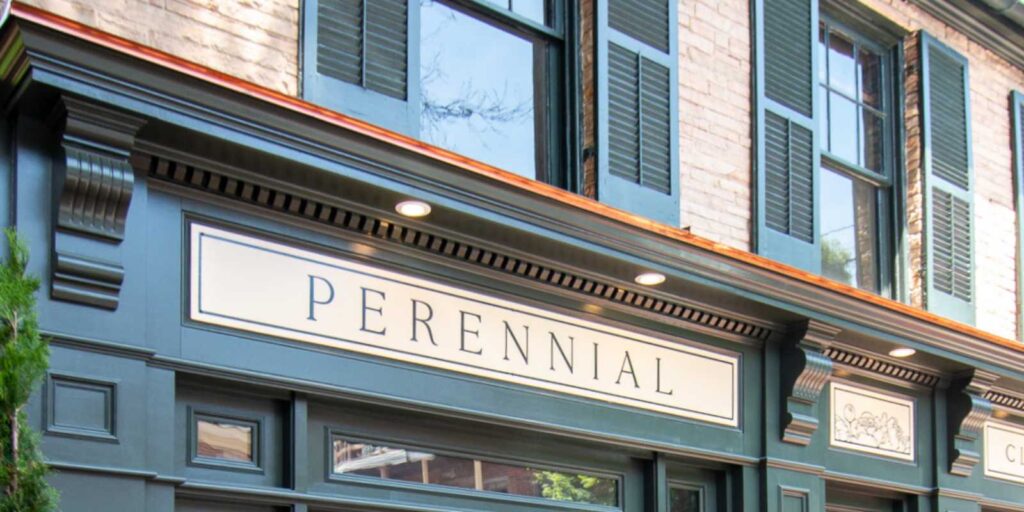
 Personalized environments stand out in today’s competitive business domains, where first impressions can create or lose long-term customers in seconds. When clients enter a business, they learn its story from the details they can see and interact with. If the brand’s identity blends seamlessly with its architecture, customers have more to experience and fondly recall.
The problem becomes how brand designers can thoughtfully incorporate their story and mission into their architecture to stand out effectively. This article details types of architectural millwork to help brands create tangible, lasting impressions with their valued customers.
Use Materials to Set the Tone
Material choice is more than an aesthetic decision since these designs permeate the look and feel of the whole brand. Companies focused on portraying the values of ingenuity and innovation may take a different approach than those focused on warmth and natural harmony. Architectural millwork can rise to the challenge in either case.
For example, a corner cafe may lean into natural warmth to draw visitors into the space using mahogany accents and custom built-ins. Creative art studios may instead opt for geometric designs and composite materials or veneers to reflect a more innovative and utilitarian feel.
Materials can even communicate values, such as using sustainable or reclaimed materials to convey a trendy, environmentally friendly vibe. Grain textures and natural finishes can subtly make conscientious, younger visitors feel more at ease interacting with a brand, since it organically shares their values.
Elevate Reception Areas
A reception area is a significant touchpoint for businesses in any industry, representing the first and often last point of contact with visitors. Many companies know the value of custom fixtures such as reception desks in communicating the atmosphere in their reception, waiting, and lobby areas. However, architectural millwork can enhance these choices even further.
Choosing the right baseboard, casing, and wainscotting designs for reception areas delivers the intended first impression as soon as the visitor walks through the door. By carrying these details throughout other branded spaces, designers can create a sense of continuity and harmony. The longer customers interact with a clearly defined brand identity, the more likely they are to reminisce about it.
Telling a Brand’s Story
Brand identity is not limited to material and logo choices that communicate stated values. Brands also have a story, and the story should include their ideal visitors as willing participants in the experience they hope to create. What does this mean in practice for architectural design?
Consider the concept of custom wall paneling. Under normal circumstances, this fixture can cultivate a tone through its colors, finishes, and materials or display a logo or other branded design. However, modern designers can take the architectural design angle further and integrate the company’s heritage into more subtle motifs.
For example, a business with a core value of precision artistry may commission custom wall paneling that is precisely detailed and intricate, sharing that value with customers more organically. For a business whose target visitors value heritage and tradition, the millwork may be styled after antique fixtures, using nostalgic wood materials and warm, rounded shapes.
Using intentional details to tell a story helps visitors recognize and immerse themselves in that story. They’re more likely to relate to a brand they can understand through natural observation than one that tries to pull off an obvious sales pitch.
Bringing Employees Into the Fold
Brand identity communication often focuses on the brand/customer relationship. Yet, employees play an active role in brand engagement as well. Workers who relate to a company’s mission and feel as though they belong can be more passionate, productive, and likely to collaborate. This can be achieved in the architecture itself, without changing on-site amenities.
Doors and entryways can be customized to reinforce brand values, seating can be built into the space to define its use, and niches or alcoves can showcase millwork that reinforces multiple utilities and tells the brand’s story to those who interact with the space.
Ceilings Can Finalize a Vision
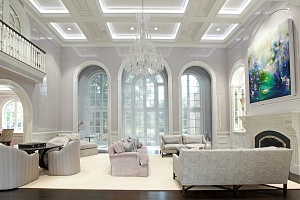 Since ceiling features are less common in commercial settings, the businesses that use them stand out even more as having an identifiable vision and outward aesthetic identity. Wood slat, coffered, or sculptural ceilings can communicate a clear tone, a heritage or time period, or specific design sensibilities, such as a feeling of grandness, antiquity, or utility.
These words may be felt by the owners of commercial spaces and experienced by their visitors. Yet, for architectural millwork designers, they are the explicit design choices that seamlessly invite the users of a space to inhabit it mindfully. As they draw the user’s eyes up, they tell a complete story that trickles down to the rest of the business.
Custom Architectural Millwork Can Be Achieved With Simple Designs
The words “architectural millwork” may intimidate some business owners. However, using built-ins and structural designs to tell a story and present an ideal experience to target customers is not complicated when using the help of experienced millwork artisans. At Sixth Avenue Custom, our job is to translate an owner’s vision for their commercial space into the large and small details that will make it known to their ideal visitors.
Contact our team today and schedule a consultation to learn how to use architecture to your advantage in any industry and with any brand identity.
