
Sep 14, 2026 · 6 min read· Summarize in ChatGPT
A proposal priced significantly below the other bids does not always reflect a more efficient operation. It likely reflects a scope that is less than what is included in the quote. Comparing commercial millwork companies on price alone is how projects end up with a punch list longer than the contract and a general contractor explaining expensive delays to ownership.
1. The Low Bid Has a Story the Proposal Does Not Tell
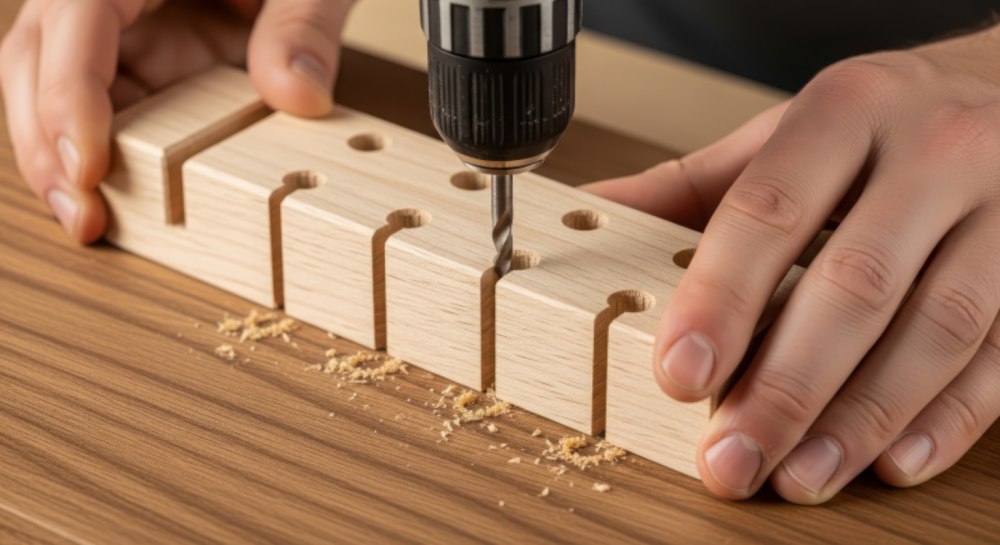
The number a fabricator puts forward in a low bid does not say anything substantial. Material grade, hardware allowance, and installation coordination are some of the most important categories in a quote. If the headline number seems attractive but the quote is missing these categories, that’s a red flag.
Hardware is where this plays out most often. A fabricator may carry an allowance figure that seems reasonable relative to the budget, but any general contractor (GC) with experience should know if the number is sufficient for the specified hardware or not. GCs need to be wary of this because it is just the first part. The second part is when the award is locked in, and it comes in the form of change orders during fabrication.
By the time change orders surface, switching fabricators is typically no longer viable. A bid that is 20 to 30 percent less than everyone else seems like a savings deal. It doesn’t deserve an automatic sign-off. Instead, a line-by-line review must be made to ensure that the headline amount holds up to offer true savings and does not hide markups as fabrication begins.
2. No QCP Certification Is a Core Millwork Contractor Red Flag
Any fabricator can claim compliance with Architectural Woodwork Institute (AWI) standards. But it’s the QCP certification that separates documented compliance from a self-assessment.
The AWI’s Quality Certification Program (QCP) requires documented, third-party verification of a fabricator’s processes and output. A grade requirement without that documentation is questionable. It’s important to get it during the bid review.
QCP documentation should be requested during qualification, before the award, not after. If a fabricator cannot produce it at that stage, it will likely not produce it later, when scheduling pressure rises.
3. Vague or Slow Shop Drawings Signal How to Vet a Millwork Company
Shop drawings are the earliest reliable signal for vetting a millwork company. Drawings submitted on time reflect professionalism and understanding of the project specs. When shop drawings are submitted late or incomplete, they are indicative of two things.
First, that the fabricator may not be prepared to take on the project. Incomplete or inaccurate drawings point to understaffing or overcommitted resources. It could also mean that the fabricator may not be giving the project the attention and time it rightfully deserves.
Second, it is a strong reflection of how the fabricator may manage the project and how it operates under field conditions once the work is underway. If the fabricator turns in shoddy shop drawings, that suggests it is not fully capable or qualified to execute the project. This can be detrimental to the timeline, quality, and cost.
4. A Portfolio That Does Not Match the Project Type
Even if a fabricator shows you a full portfolio and experience with residential work, that doesn’t mean it can execute commercial projects. Tolerance requirements, lead times, and coordination demands differ greatly between residential and commercial millwork.
Another distinction worth asking about is which projects a fabricator built and installed in-house versus those it coordinated through another team. There’s nothing wrong with subcontracting, but if the fabricator neglects to mention this or claims the work, it’s a red flag.
References from comparable project types and building sectors carry more weight than a polished proposal, whether built in-house or coordinated. These say more about the fabricator’s actual capabilities than what you can see on paper and in images.
5. Installation That’s Handed Off to Subcontractors
In-house installation removes a specific failure point: the handoff between fabricator and installer. When fabrication and installation are done by two different companies, that handoff process is usually the weak link, where fit problems and punch list items will occur. When errors do happen, delays and additional expense are incurred. This reflects badly on GCs, especially those who may have promised clients and owners a strict delivery deadline.
We handle fabrication and installation with the same crew. When the piece goes in, the artisans who built it are typically on site. Every installation presents unique conditions, and the potential for mistakes is high. A seasoned crew, especially the one that fabricated the millwork pieces, will be quicker to mitigate any unforeseen problems on-site because they have the knowledge, right down to how the piece was built and where the tolerances actually sit.
A different installation crew may be working based on secondhand information or on work drawings only. They will not have the production history. If they do not have a long history and familiarity with the fabricator, the decisions in the field will prove it. Any miscommunication will show up in discrepancies in the finish, the seams, and how long the punch list runs at the close.
6. What the Bid-Phase Behavior Reveals About a Fabricator
How a fabricator interacts with GCs and clients should be noted because there is business to win. If they are present and invested, it suggests that they have the personnel and resources to undertake the project, and that they are currently committed to a similar project.
Three unanswered days during the bid phase say a lot about how a fabricator prioritizes bids and projects. A proposal that skips points raised in the pre-bid conversation might mean a lack of attention and interest. It says that if the fabricator lands the project, that attitude will carry over into the actual fabrication and installation.
Those habits turn into schedule problems during construction. Fabricators who communicate clearly and with genuine intent before the contract is signed tend to be the same way once the project is running and the pressure is real.
Make a Confident Commercial Millwork Company Comparison Before the Award
Working with a millwork fabricator means not just looking at the bid price and the portfolio. It means knowing the work history, quality, and whether the fabricator is sincere about working on the project or just making a quick buck.
That’s where we come in. We work with GCs and project managers from preconstruction through final installation. We are up front about our capability and provide honest assessments about what we can do for commercial millwork projects. Contact Sixth Avenue today to bring us into the bid review.
