
Jan 12, 2026 · 5 min read· Summarize in ChatGPT
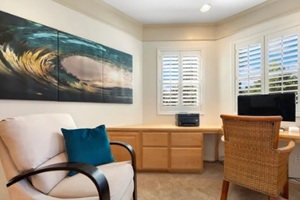 When done well, architectural custom casework can turn an obligation into an artistic staple. Custom casework, including bookcases, cupboards, cabinets, and other storage constructions, can become the ultimate balance of function and beauty. This requires a decision-making mindset that can specify casework to balance beauty, durability, material choices, and quality benchmarks from the design phase through to the final construction.
This article walks architects through the process of designing, refining, and executing built-in casework in their new constructions. With proper attention to detail, these tips can create more elevated spaces that perform beautifully for years to come.
What is Architectural Casework?
In traditional construction, casework refers to the wooden boxes that form the basis for vanities, cabinets, and storage fixtures. The goal of conventional casework is to mass-produce economical storage fixtures in a one-size-fits-all format. However, custom casework allows architects to create designs personalized to any cabinet storage or shelving fixture they need.
This transforms what used to be an architectural afterthought into something interesting, central to the home’s function, and useful in bringing the owner’s and designer’s vision to life.
Note: Casework is not the same as millwork, which is a broader term referring to how wooden fixtures are made. Millwork can include doors, window casings, wall panels, trim, and even casework. However, “casework” refers specifically to cabinet and storage fixtures, often designed as part of the architecture.
How to Select Materials With a High Standard
To specify built-in casework and assure its quality, architects need to use the drawing and design phase to determine what the casework intends to accomplish, how it will look, and how it will be made. Choosing high-quality materials helps establish that the finished product matches the intent.
To accomplish this, architects consider different types of wood and compare their qualities with the functions they intend the casework to serve. For example, plywood holds fasteners more stably and resists moisture better than other types of wood, such as particleboard, which is more common in non-custom casework.
Form and function should be considered when choosing a style since not all “high-quality materials” are ideal for every situation. Solid hardwoods such as oak create a more inviting, traditional, and authentic design experience, with the rich color to match. However, they expand and contract more easily, making them less ideal for high-moisture areas.
Essential Takeaway
Choosing the right materials for custom architectural casework requires specifying its intended function and matching the wood to the purpose.
Balancing Aesthetics With Durability in Modern Casework
Despite the importance of functionality, aesthetics play a central role in making architectural casework a load-bearing element of home design. Architects should look at multiple factors to make their casework seem intentional, including:
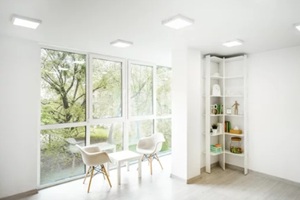 Ceiling and window height to align casework edges with ceiling edges or soffits
- Areas prone to wear, such as vanity bases, pullouts, and toe kicks, are strengthened to withstand daily use without appearing worn
- Contrasts, shadow gaps, and potential accents, to choose a finish for the custom casework that completes the aesthetic flow of the room rather than works against it
The finishing sheen may seem a long way off in the specification phase, but architects should envision casework that maintains visual clarity even through daily use.
Assuring Compliance With Quality Benchmarks
Specifications enable designers to create casework that fits the space in the literal sense. However, high-quality casework specification means taking architectural consistency a step further by including clearly documented details that coordinate the design, construction, and finished product.
Here’s an example of what that can look like. Consider a cabinet design for a busy kitchen, for which the architect carefully specified the look and feel to maximize functionality. They can take steps in the specification phase to unify the details of the eventual construction to achieve their goals more clearly. For example, they could specify a high-durability finish or a soft-closing door to account for high-traffic usage.
As another example, casework in rooms that experience significant moisture can be specified to use moisture-resistant materials or finishes. Additionally, horizontal casework surfaces should resist scratches, making it useful to suggest a sheen or coating style that can add durability.
Essential Takeaway
Custom architectural casework should consider the long-term usage of pieces. Beyond their immediate aesthetic impact, high-performing architects can specify many design and finishing details that enhance the durability, appeal, and value of the finished casework.
Casework Artisans Follow Exact Specifications to Bring Your Vision to Life
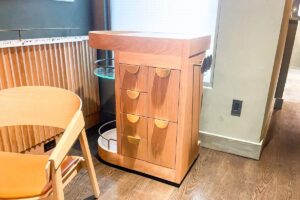 When custom casework artisans work with detailed architectural specs, they can make informed decisions that lead to seamless collaboration and elevated spaces. At Sixth Avenue Custom, our artisans work with architects, designers, and owners to empower them throughout the casework process, from concept to finished product.
Our goal is to give professionals the confidence they need to deliver high-quality specifications and follow the guidance they’ve been given to finish their job and bring the vision to life.
Contact our team of millwork and casework artisans today to learn how innovative, durable, and impactful architectural casework can make your projects shine.
